Paddle to Isles, Hike the Heights: Lake District Circuits

Designing Elegant Loops Across Water and Fell
Boats, Boots, and the Art of Seamless Transitions

Reading Weather, Water, and Light

Wildlife, Heritage, and Quiet Enjoyment
Sharing Crossings With Birds, Fish, and Fragile Shores
Give swans and grebes broad room, lower voices near nesting islets, and paddle parallel to reed margins rather than straight toward them. Avoid dragging hulls across eelgrass. Land where shingle is resilient. Your restraint becomes part of the landscape’s healing, ensuring future visitors also meet wonder, not weary silence.
Stories in Stone: Boathouses, Islands, and Poets
St Herbert’s Island whispers of centuries of retreat, while slate boathouses mirror ridges in wavering reflections. Reading a stanza before launching reframes the day’s rhythm. Let place names, cairns, and carved lintels anchor breaks, turning snacks into small pilgrimages that connect effort, history, and the generous hush between waves.
Photography, Memory, and Storytelling
Compositions From Kayak Deck to Ridge Cairn
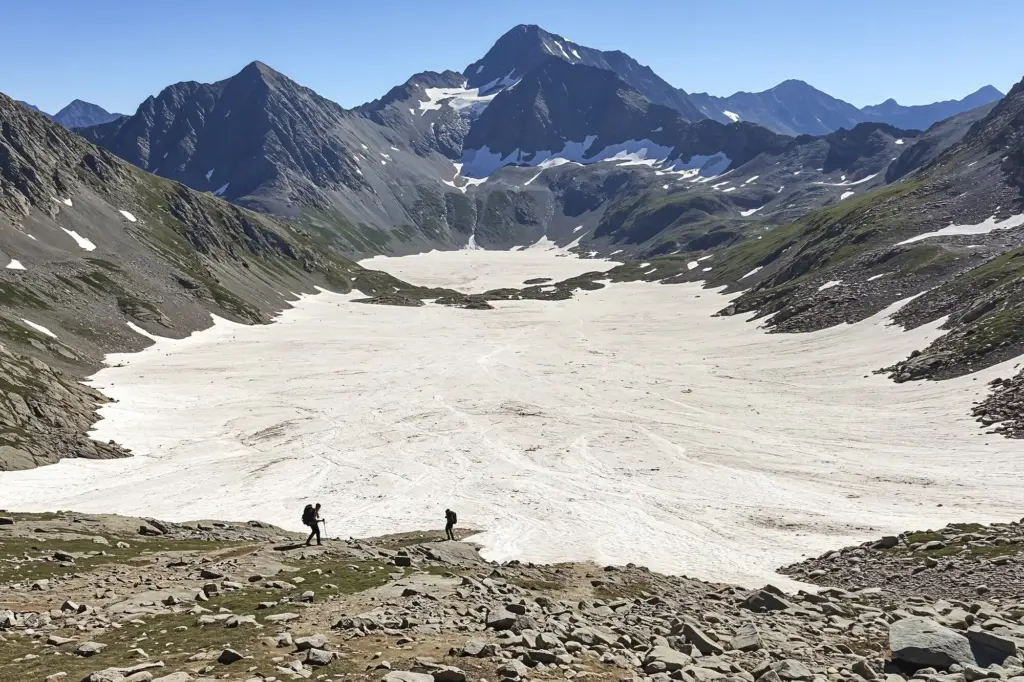
Use the kayak’s bow as a leading line, catch island trees reflected in quiet lee water, then seek diagonals on ascent. A modest wide-angle suits cramped coves; a fast prime brightens dusk. Step back from cairns, include companions, and let distance breathe. Story lives where scale meets patience.
Protecting Gear Without Missing the Moment
Use the kayak’s bow as a leading line, catch island trees reflected in quiet lee water, then seek diagonals on ascent. A modest wide-angle suits cramped coves; a fast prime brightens dusk. Step back from cairns, include companions, and let distance breathe. Story lives where scale meets patience.
Words That Carry the Water’s Quiet Rattle
Use the kayak’s bow as a leading line, catch island trees reflected in quiet lee water, then seek diagonals on ascent. A modest wide-angle suits cramped coves; a fast prime brightens dusk. Step back from cairns, include companions, and let distance breathe. Story lives where scale meets patience.
Training, Safety, and Community
01
Skills That Keep Crossings Calm and Efficient
Refine a relaxed forward stroke, low brace in chop, and edging that curves cleanly toward landings. Rehearse wet exits, paddle-float reentries, and buddy T-rescues close to shore first. On foot, practice stable descents with poles. Efficiency multiplies comfort, unlocking longer loops without draining your smile before summits appear.
02
Small Decisions That Prevent Big Problems
File a simple float plan, carry whistle and light, attach a spare paddle, and check hatch seals. On land, confirm footwear traction, water supply, and the next safe descent. Respect fatigue signs early. Conservative margins feel unexciting until they quietly save your day, reputation, and future invitations outdoors.
03
Share Your Circuit, Learn From Others
Post your loop, lessons, and photos, then ask for alternative landings, calmer lines, and shoulder-season gems. Invite beginners with generous pacing. Subscribe for route ideas and rescue drills, and leave a comment describing one decision you would change next time. Community wisdom keeps these waters kind and welcoming.
All Rights Reserved.